15 Spam Text Message Examples & How to Identify them

KEY TAKEAWAYS
- Roughly 4.5 billion robotexts went out weekly in late 2024, making vigilance around smishing scams a daily survival skill for every phone user.
- Common scam patterns include fake prize wins, IRS impersonations, package alerts, boss requests, 2FA prompts, and texts spoofed from your own number.
- AI makes spam harder to detect by cleaning up grammar, personalizing messages, and letting scammers scale convincing schemes at unprecedented speed.
- Textedly is a 100% opt-in service that protects subscribers with TCPA and CTIA compliance tools, plus clear STOP and HELP handling on every campaign.
Have you ever received a text message from a company or person you recognized, but it didn’t seem quite “right”?
Spam text messages (also known as phishing or “smishing” – SMS phishing) trick consumers into providing personal data to criminals who pose as a familiar business, organization, or family member. Reviewing spam text message examples can help avoid falling victim to these dangerous schemes.
Criminals use phishing text messages to attain usernames and passwords, social security numbers, credit card number,s and PINs to commit fraud or identity theft. Other attacks focus on duping people into downloading viruses or malware by clicking seemingly innocent links.
If you don’t think you’d ever fall for a phishing text scam, think again. 4.5 billion robotexts were estimated to have been sent weekly in December 2024. Averaging about 7,431 robot texts per second. That’s why it’s important to stay vigilant and up-to-date on what spam messages often look like.
In this blog, we’ll share 15 common spam text message examples and tips for fighting back against SMS phishing scams.
15 Spam Text Message Examples
There seems to be an endless amount of spam text schemes. Check out these phishing text examples so you know what red flags to look out for:
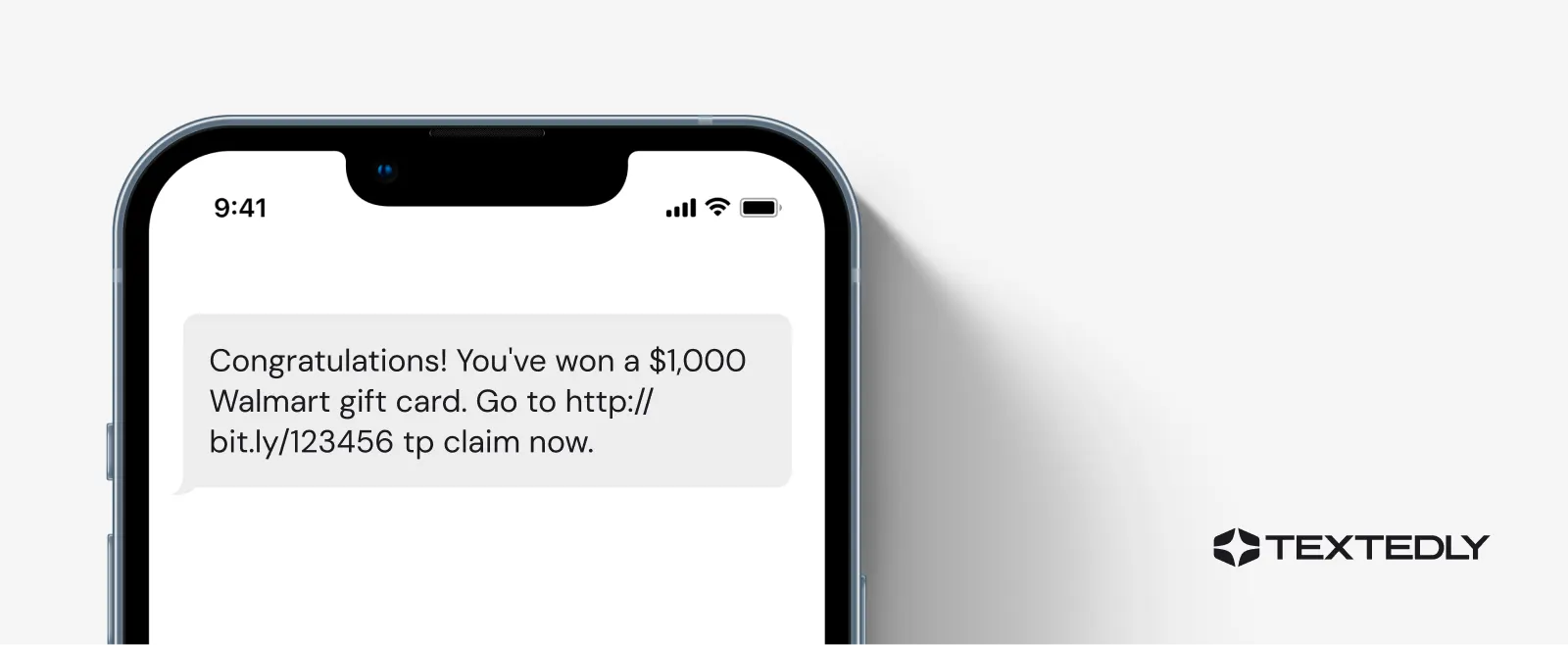
1. You've Won!
Winning an unexpected prize sounds great, in theory. However, being notified of winning a contest you didn’t enter is a dead giveaway of a phishing text. If you’re unsure whether an offer is authentic, contact the business directly to verify.
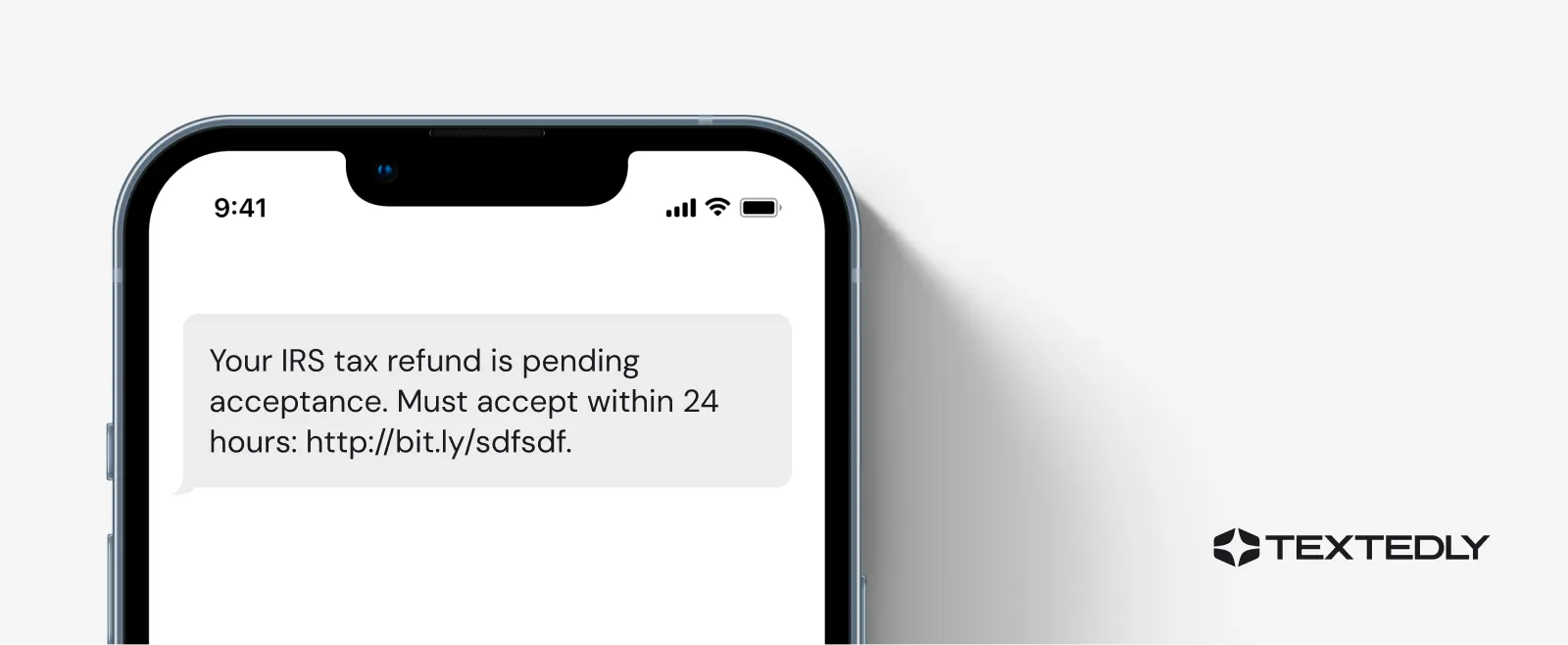
2. The IRS is Trying to Contact You
Government agencies like the IRS will not contact you via email, phone or text message. If any legitimate government agency needs to contact you, they will usually do so via mail or certified letter.
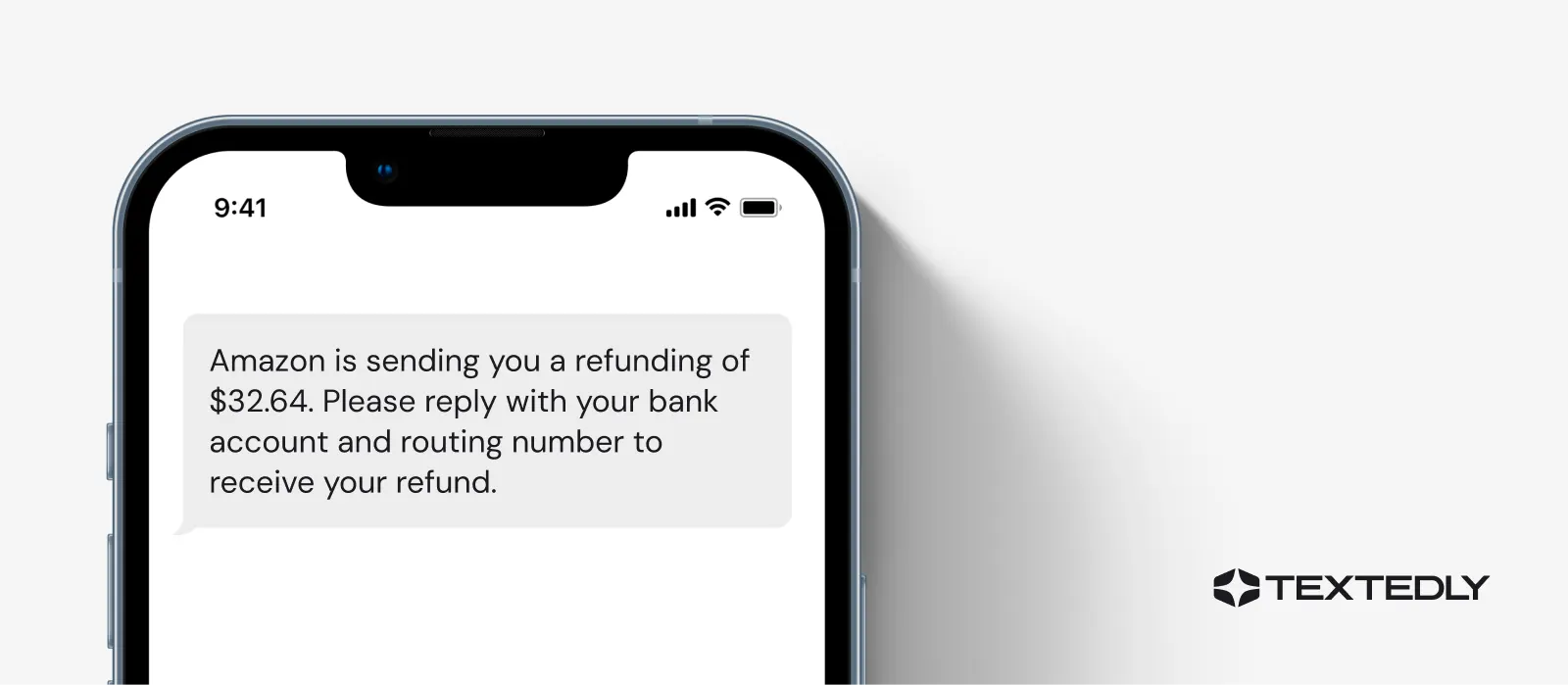
3. You Have a Refund Coming
Notifications involving money owed to you are enticing, aren’t they? “Our records show you overpaid for (a product or service). Kindly supply your bank routing and account number to receive your refund.” Don’t fall for it.
4. Verify Your Bank Account
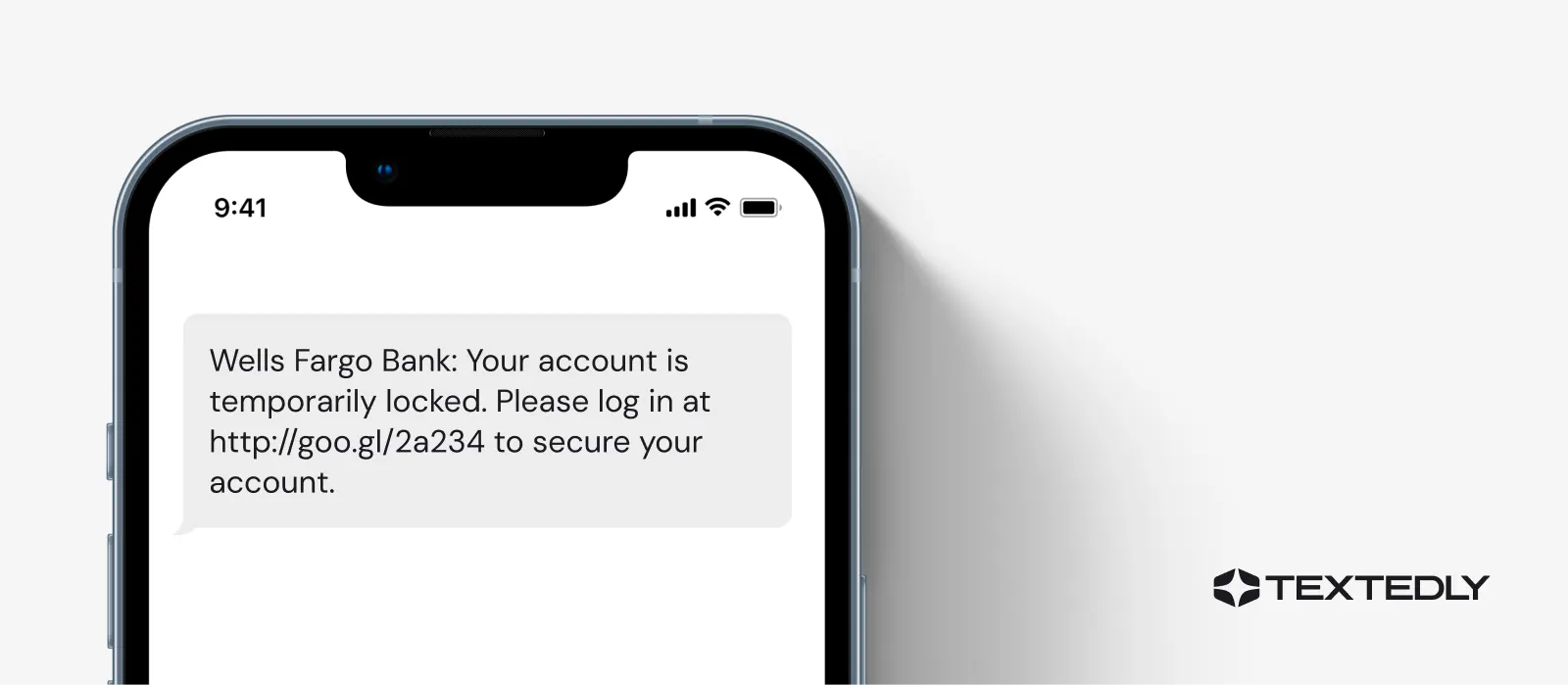
Scams hiding under the guise of financial institutions like Bank of America, Wells Fargo and Chase have famously allowed scammers to steal tons of personal banking information from customers.
Legitimate companies won’t ask for your personal or financial information over text. So if you get a random verification text from your bank or a message saying your account is locked, it’s probably fake.
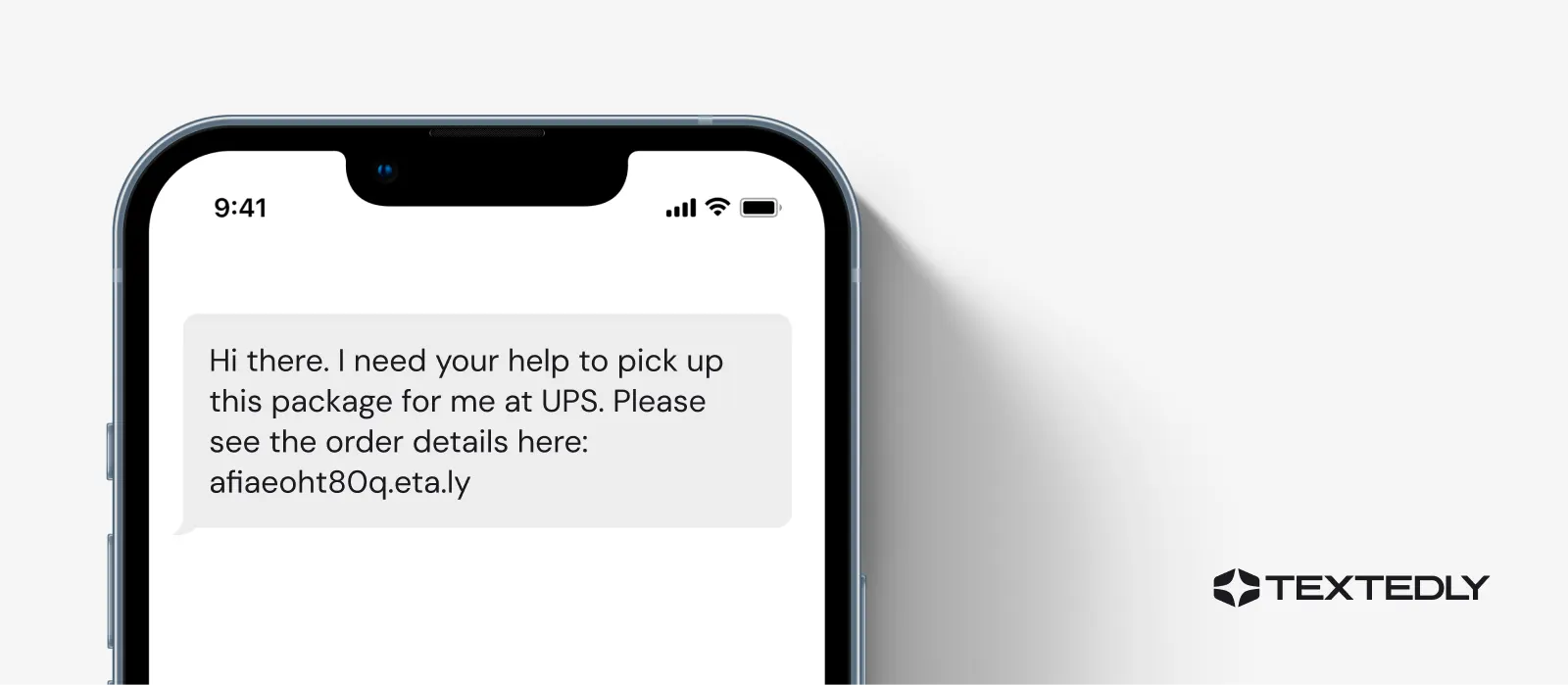
5. You Have a Package Delivery
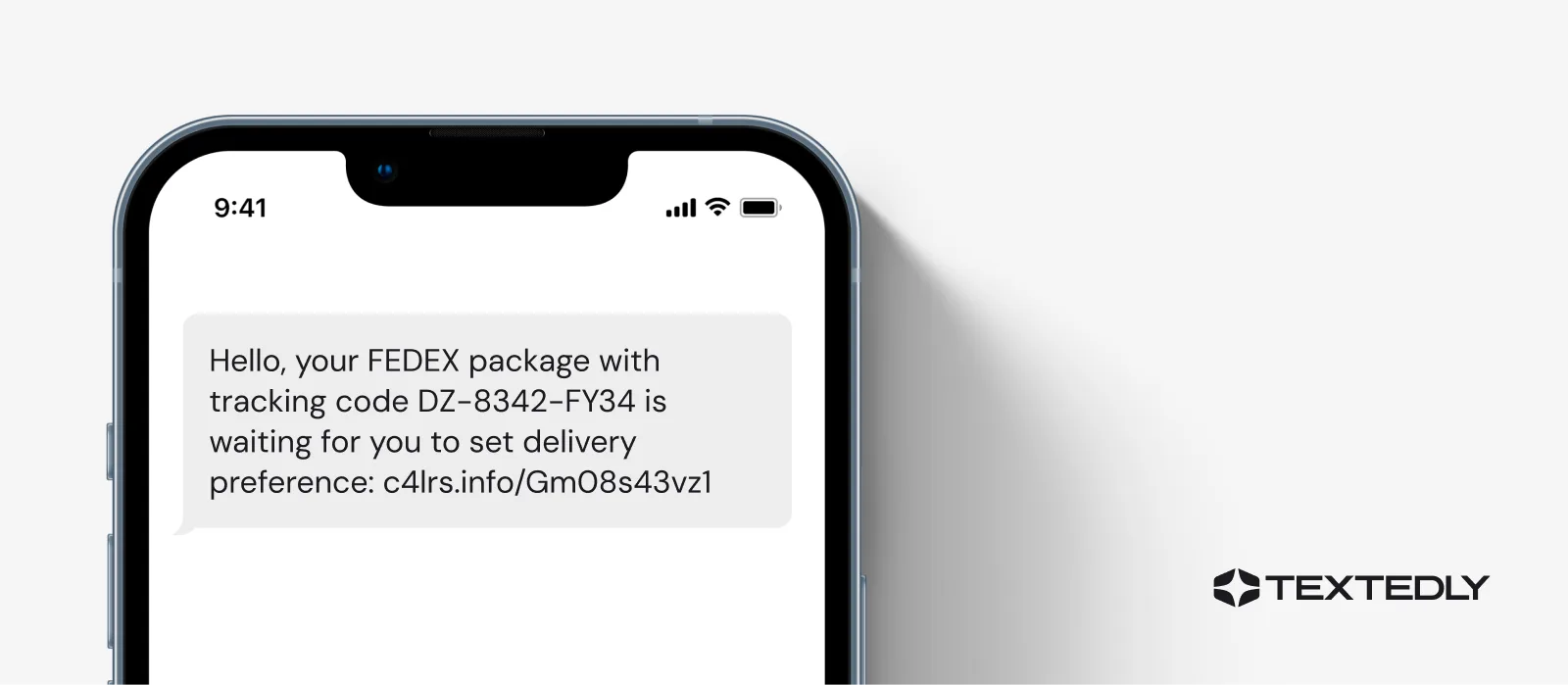
With deliveries from Amazon and FedEx so commonplace now, a text message regarding a package or order would be easy to overlook. While shippers send legitimate shipping update texts, they’ll never ask for personal information or money to complete a delivery.
6. Boss Needs Help
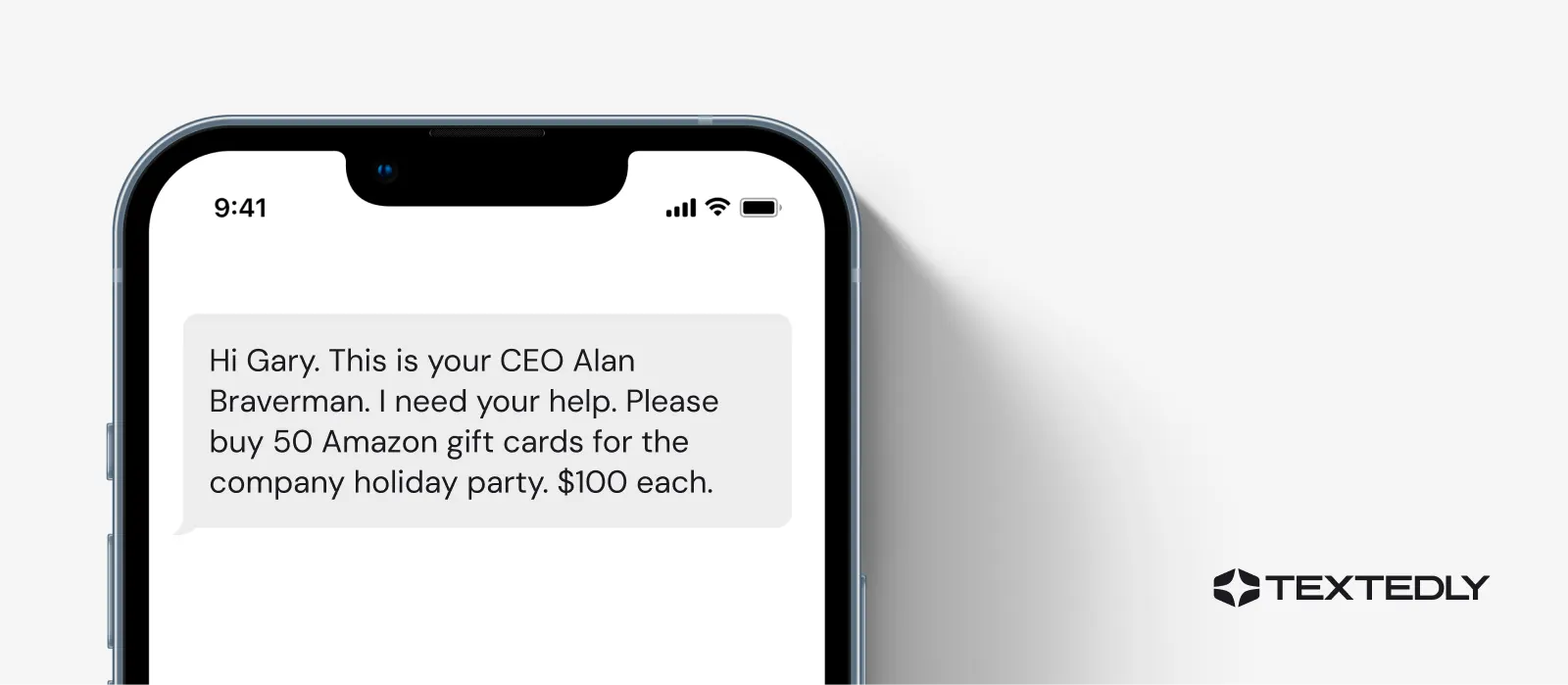
A new common text message fraud is a scammer pretending to be your boss. Before buying hundreds of thousands in gift cards or transferring large sums of money, be sure to reach out to confirm the request with your boss or manager.
7. Fake Subscription Renewal
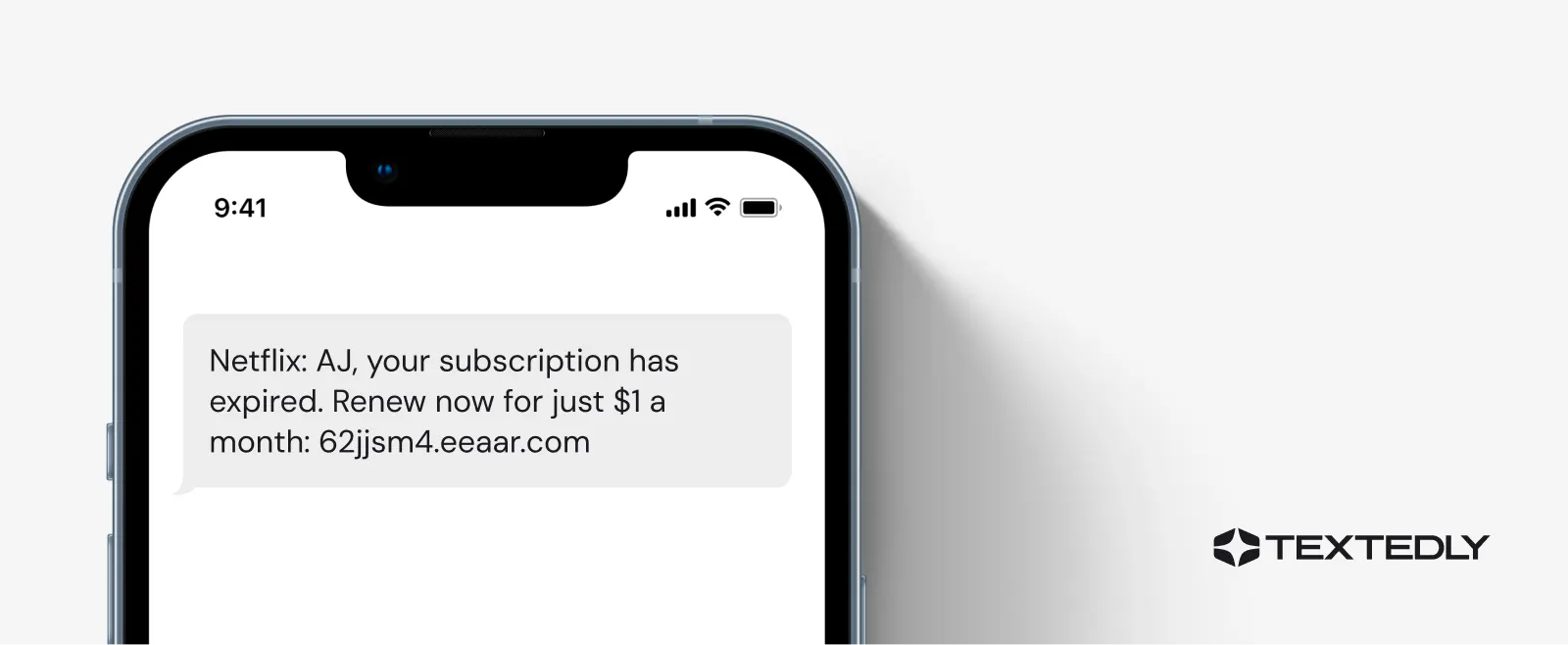
With the rise in subscriptions, it can be easy to forget what you’re paying for and when. Don’t let this cause you to fall for a scam about renewing a subscription for a record-low price. Instead, log into your account from a web browser to check subscription status or reach out to the subscription’s customer support team to see if it’s a real deal.
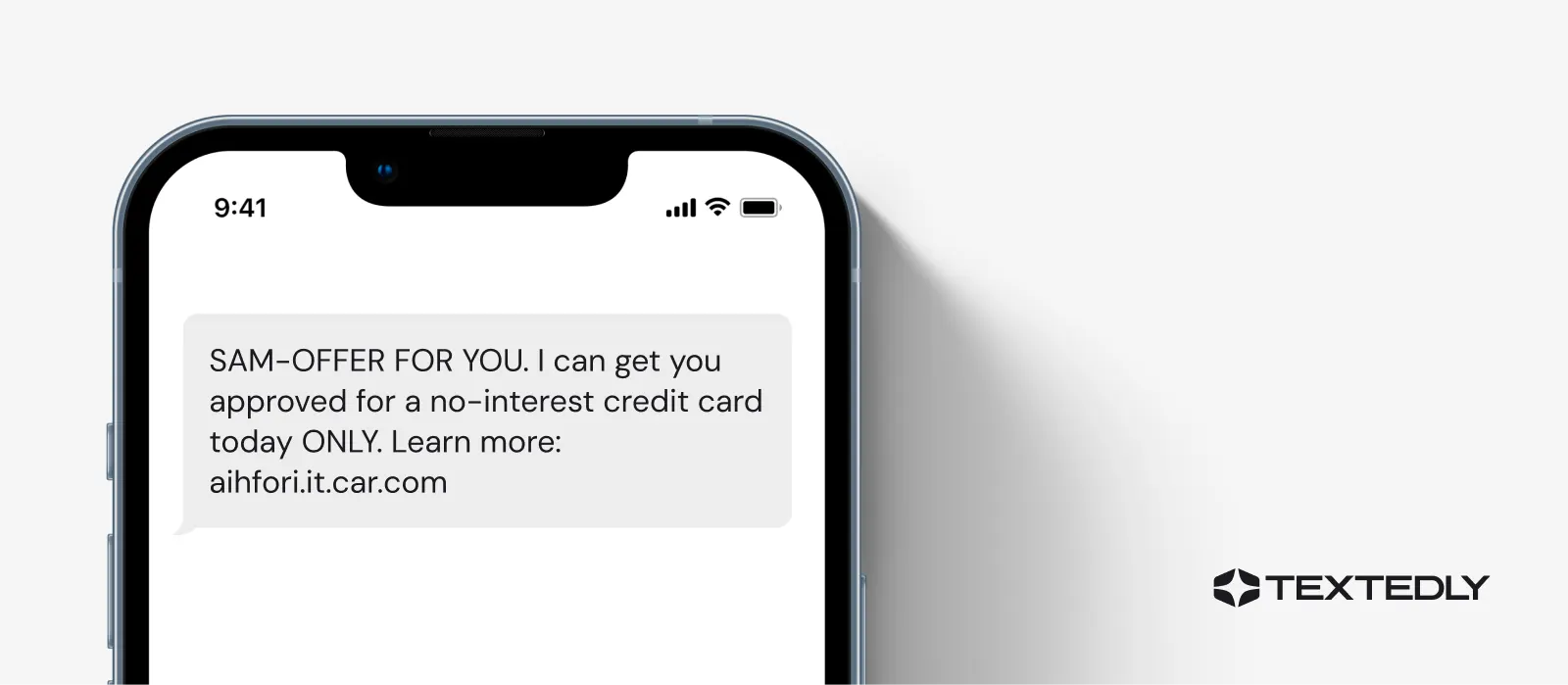
8. Low-Interest Credit Card Offers
Another common text message scam to be wary of is a low or no-interest credit card promotion. Scammers often claim they can secure “no-interest credit cards” for you because they have ties to a bank. If the low interest rate or offer seems too-good-to-be-true, it most likely is. A reputable bank will not offer these credit cards to you out of the blue. This scam typically includes a suspicious link that contains malware.
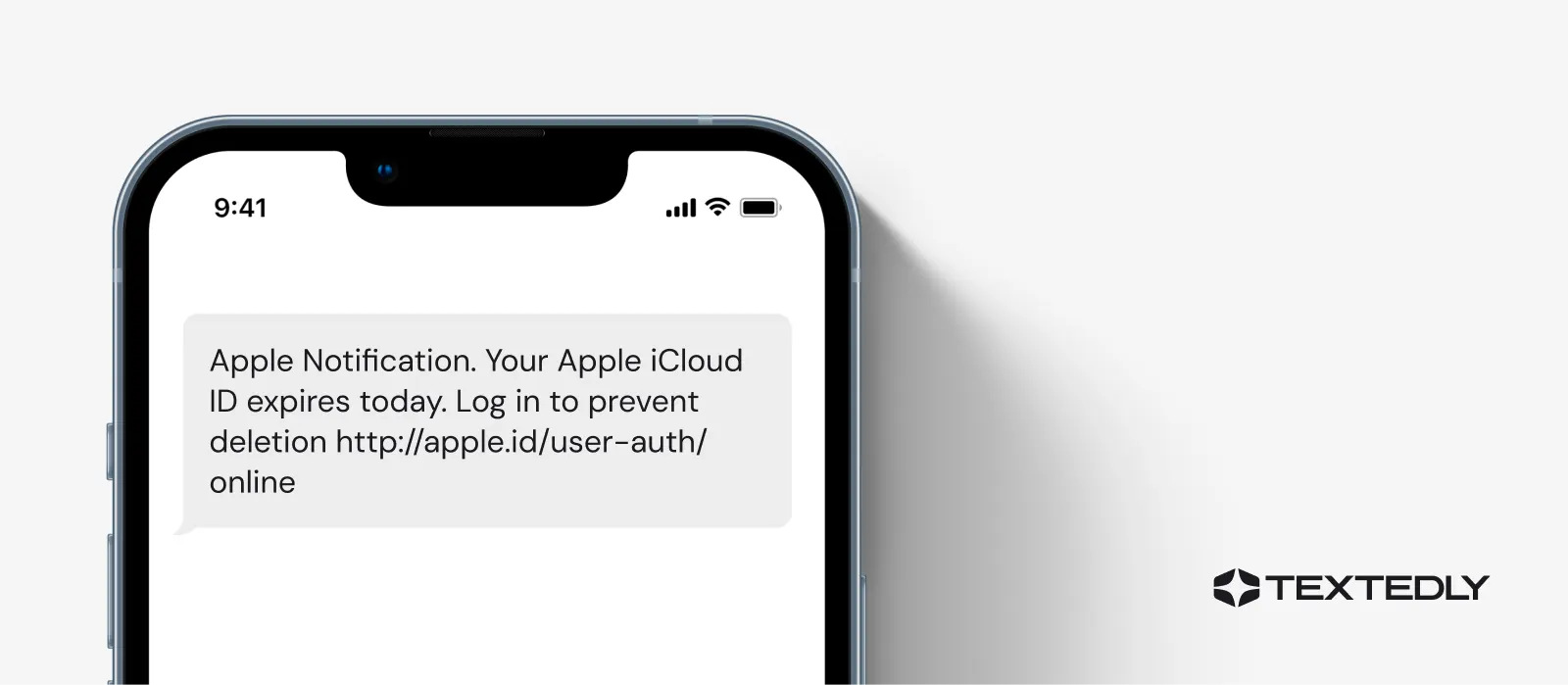
9. Verify Your Apple iCloud ID
Any text that attempts to verify your Apple ID or another technology account is suspicious. If you suspect your account is compromised, contact the company directly and change your passwords immediately.
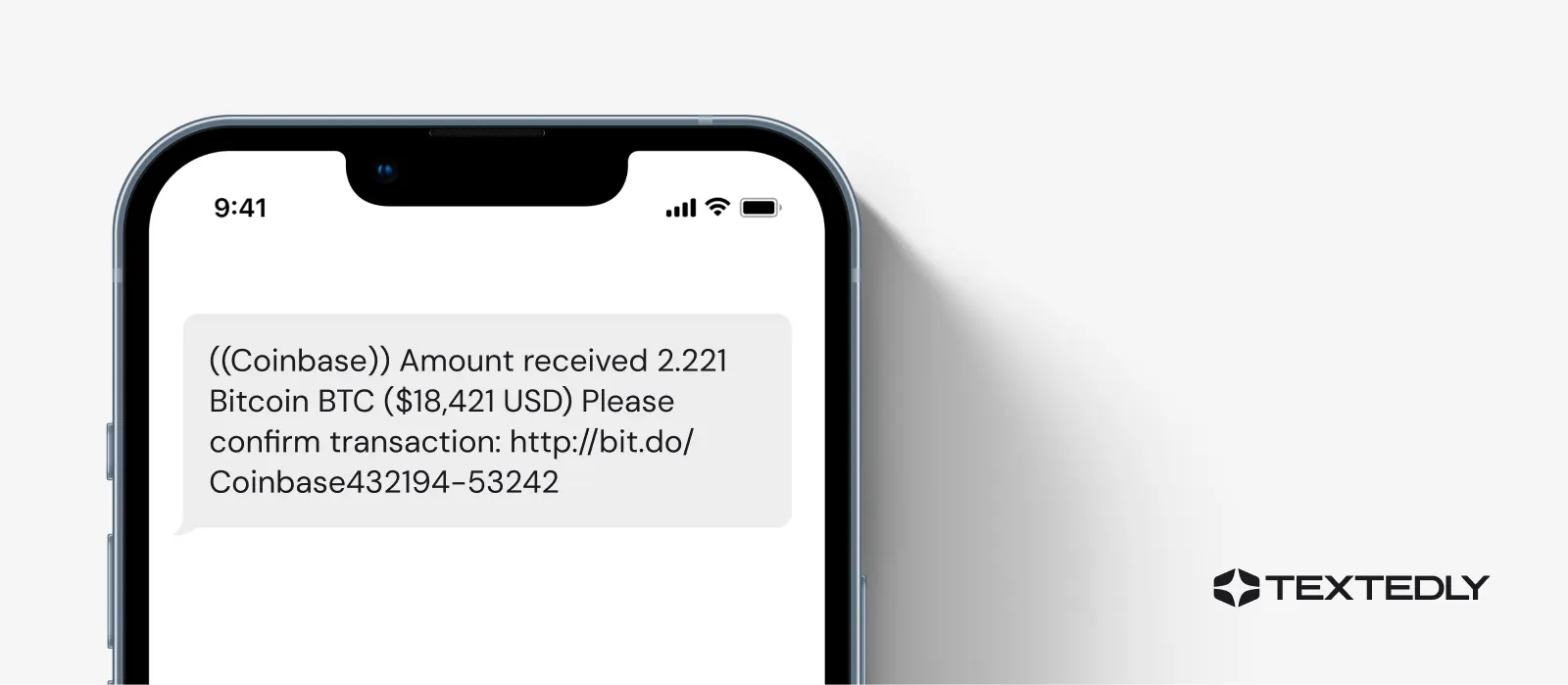
10. Bitcoin, Anyone?
You should treat any offer of “free” bitcoin the same as any other offer of free money – with high scrutiny. Scammers often use bitcoin as currency in blackmail scams that demand payment for withholding personal details the scammer claims to have about you. Be especially on the lookout for these types of scams with the recent Coinbase data breach hack.
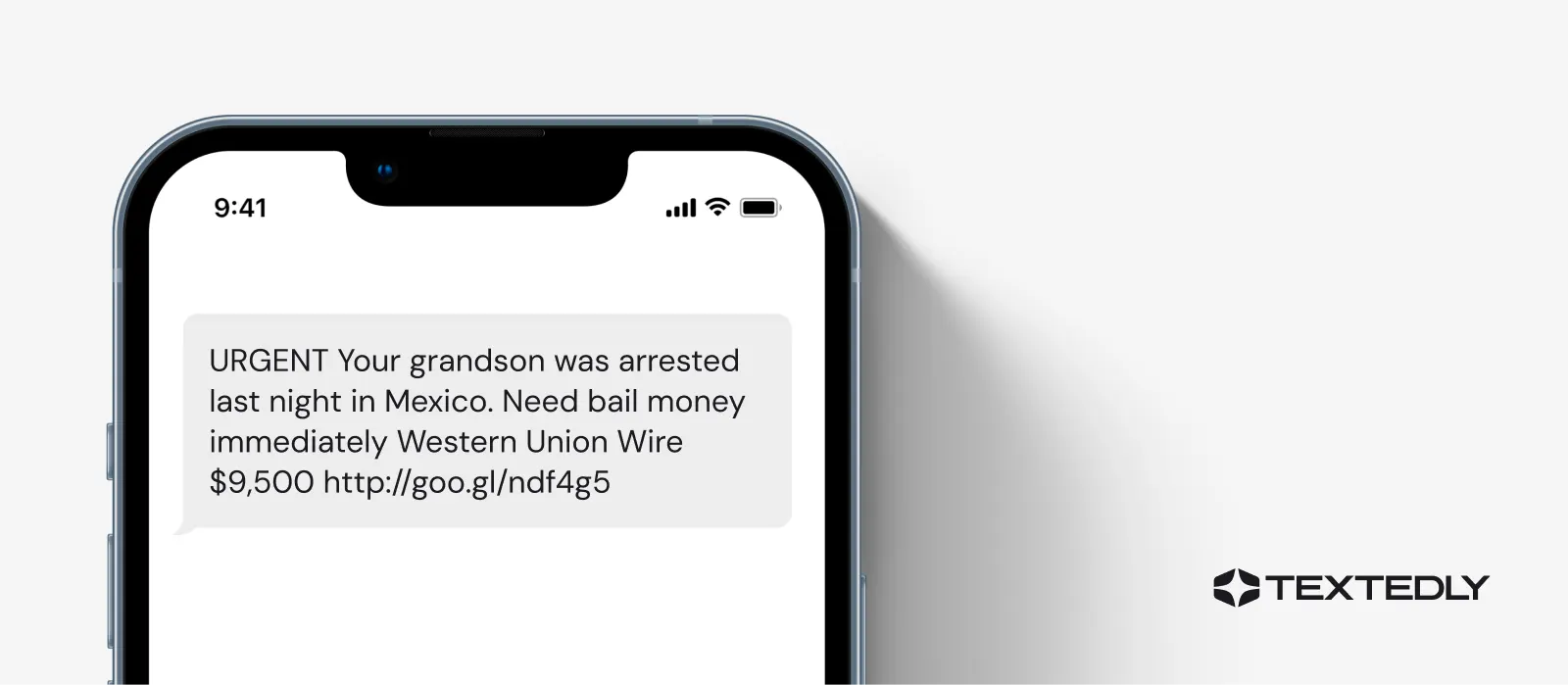
11. A Family Member Needs Help
One of the most disturbing spam text messages leads you to believe that a family member is in trouble and needs immediate financial help. The sender tries to convince you that wiring money is necessary to prevent a financial or medical emergency – or that a loved one is involved in a kidnapping.
Be cautious and contact the family member directly before proceeding. If there is a genuine emergency, it’s best to reach out to appropriate authorities before sending financial aid.
12. Reactivate Your Account
You can’t always trust the most seemingly innocent messages. If you receive a text that one of your accounts has been hacked or compromised, delete the message and then contact the account directly rather than responding. If you’re ever wondering if a text is real, never call the number contained in the text. Instead, look up the phone number of the institution claiming to send the text and call that reputable line.
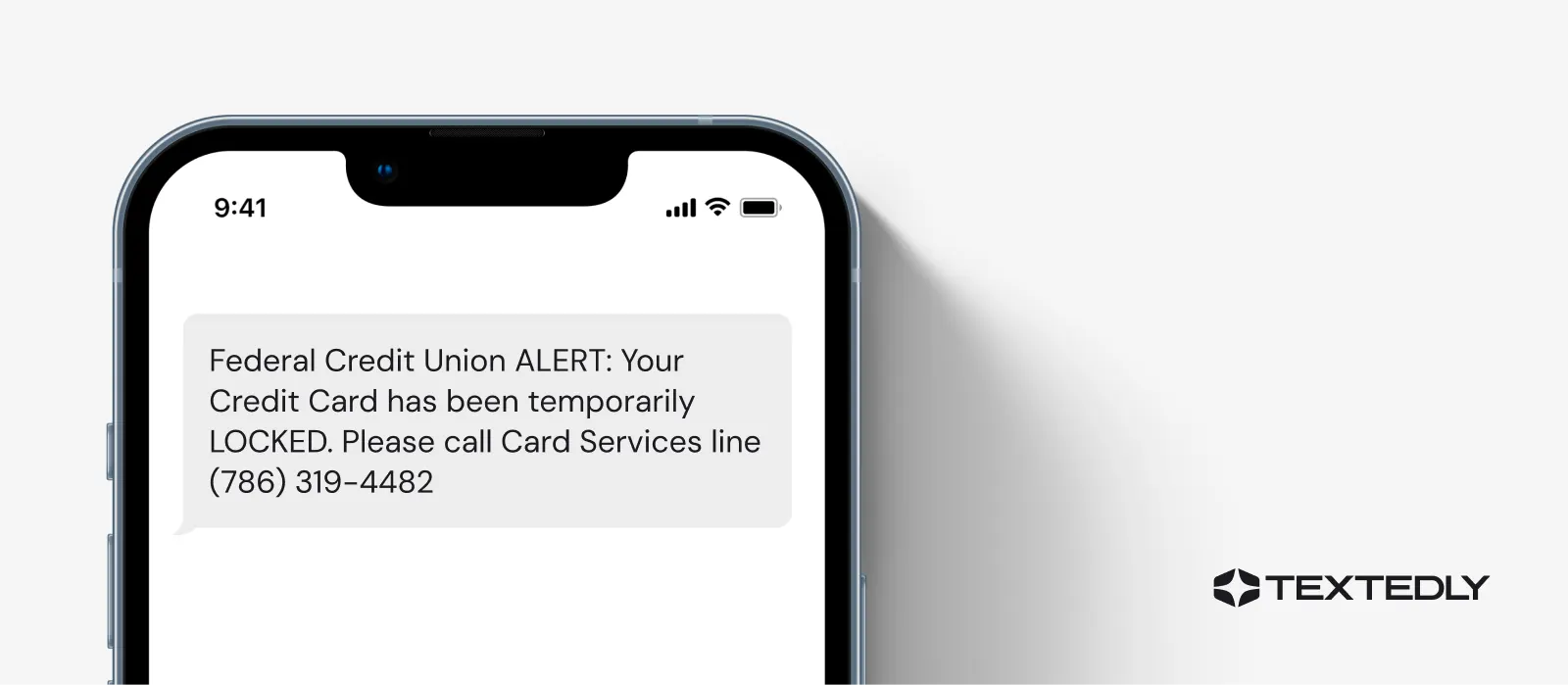
13. You Have a New Billing Statement
If you suddenly receive notifications that your statement is ready or if you receive a “thank you for your payment” message, proceed with caution.
This is another common type of scam. If it’s a company you believe you’ve done business with but you aren’t sure about any recent transactions, go online, find the company’s website and locate their customer service contact information. Never use the contact information provided in the suspicious text.
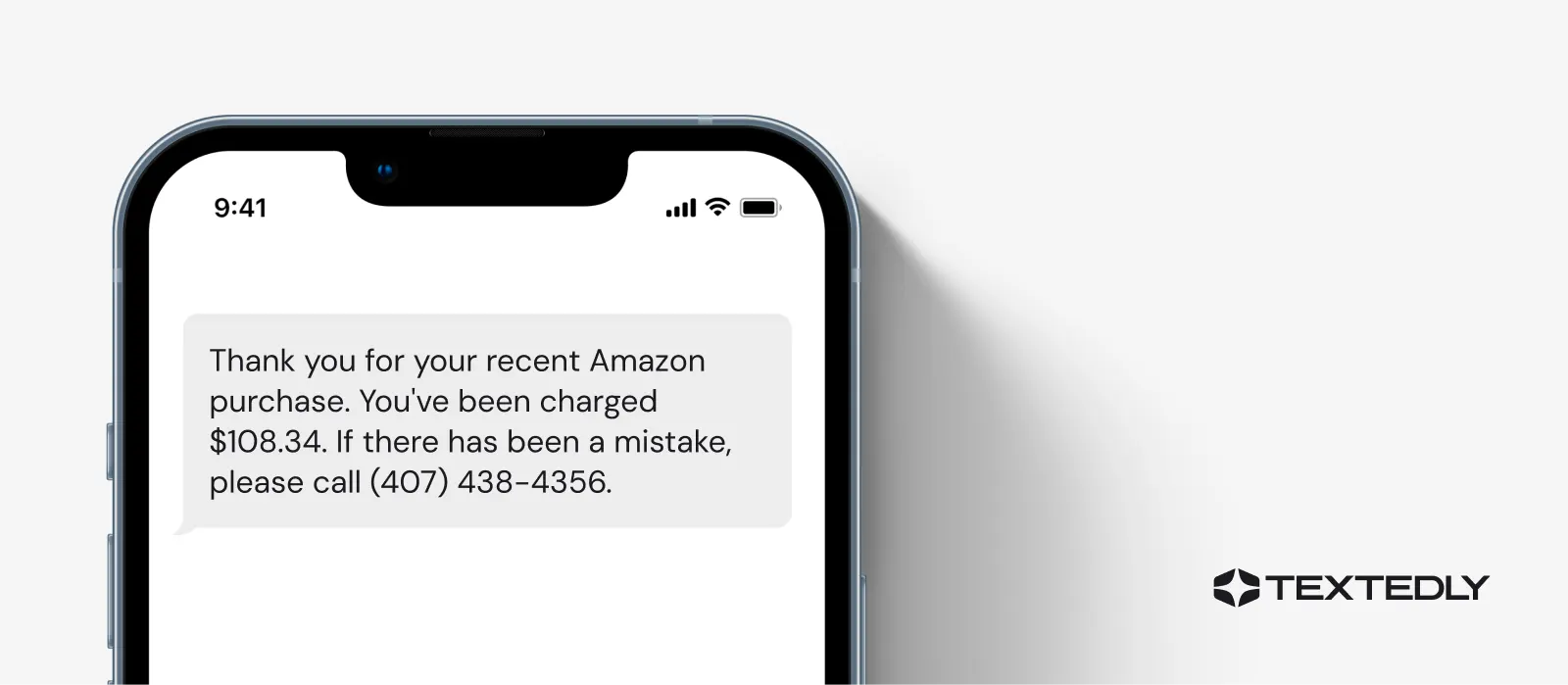
14. Texts from your own phone number
A common spam tactic is receiving text messages that appear to come from your own phone number, a trick known as "spoofing." These messages may contain suspicious links or urgent requests, making them particularly deceptive.
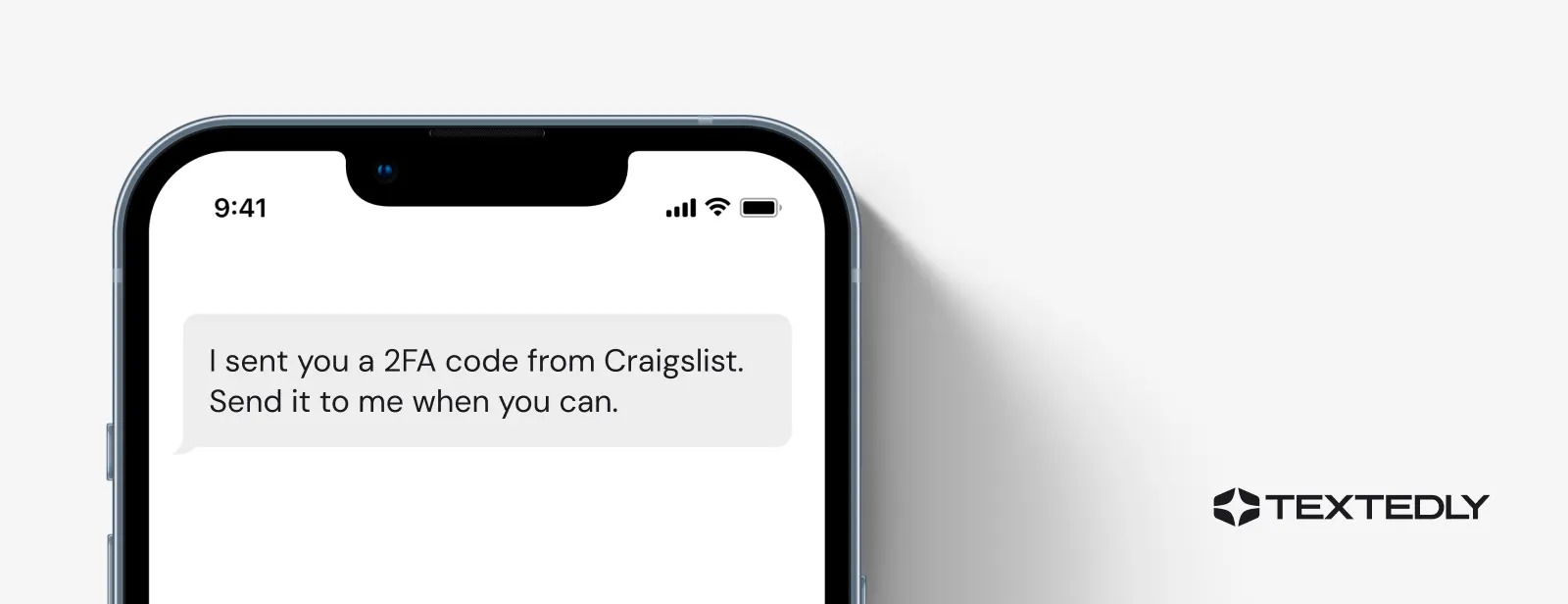
15. 2FA Authentication
In this scenario, scammers are looking to gain access to your account. Never give anyone a 2FA code or click a link on a 2FA code you were sent that you didn’t just request yourself. Companies or security teams will never ask you for this code.
DID YOU KNOW?
Under the Telephone Consumer Protection Act (TCPA), businesses may not send messages to you without your permission. So even if you have a long-standing relationship with a legitimate company, they cannot text you if you haven’t granted express written consent.
The Harsh New Reality of Spotting Spam Texts in 2025
In 2025, scams are expected to become increasingly sophisticated due to the rise of AI technologies. This can make it harder to decipher what’s fake and what’s real. Here is why AI is making it easier for scammers:
- Grammar and punctuation. Chances are scam texts will have fewer grammatical and spelling errors because of the rise of AI editing technologies
- Personalization. AI can scrape more data, making it easier for scammers to personalize text and make them relevant.
- AI Prompts. Scammers can prompt AI to make even more convincing messages and appeals to their victims.
- Speed. AI allows scammers to write messages quickly and scale their schemes to reach more people than before.
As a result, it’s important to stay even more suspicious of communication from unknown senders.
5 Ways to Identify a Fake Text Message
Many spam messages are easy to spot; however, hackers who send phishing messages have refined their techniques over time, making them extremely convincing. Therefore, understanding how to identify a fake text message requires continuous learning.
Be on the lookout for the following types of spam text messages:
It’s Suspicious
Is the sender familiar (like Amazon or Apple – the most imitated brand in all phishing scams), but the text is poorly written or full of typos? It may direct you to a spoofed website that looks legitimate but isn’t. Be weary of links that look suspicious as well. They should be branded or recognizable, not a bunch of jumbled letters.
It’s Urgent
Is the sender telling you something is wrong with your account or payment method and demanding immediate action? Using urgency is a surefire way to prompt people to act without thinking.
It’s Too Good To Be True
Are they offering gift cards, discount codes, or prizes for responding with your personal information? If something sounds too good to be true, it likely is.
It’s an Unknown Number
One of the easiest ways to spot a fake text message is if it comes from an unknown or suspicious number, especially if it asks for personal information, urges you to click on a link, or seems too urgent.
It’s Impersonal or Irrelevant
A fake text message often feels impersonal, using generic greetings “Hello" or making offers that don't align with your interests or recent activities. With the rise in AI, you may see more scams address you by name, but be cautious if the message seems irrelevant or unrelated to you.
How to Handle a Spam Text Message
If you think you’ve received a phishing text, what should you do? Here are some best practices to help you handle spam texts appropriately.
- DON’T respond. If you suspect a text is from a scammer, do not reply. Replying confirms your phone number is active, which guarantees more texts.
- DO block numbers on your phone. Scammers often send texts using different names and numbers, but blocking annoying or spammy texts can slow them down.
- DON’T click links in a text. Clicking suspicious links in an unsolicited text message may infect your phone or mobile device with malware that copies your stored personal or financial information.
- DO install a spam-blocking app. Several spam-blocking apps are quite effective in preventing text scams and annoying calls from telemarketers. These include:
- DO Filter Messages by Unknown Sender: Many smartphones and messaging apps offer built-in features that automatically screen messages from unfamiliar numbers. This allows you to review them at your discretion without risking exposure to malicious content.
Bottom line: Would you give even your best friend your personal financial information or access to your passwords? If not, why would you give them to a stranger? Use your best judgment and exercise caution before responding to requests for information.
What Should I Do If I Respond To a Spam Text?
Did you find this article because you’ve already responded to a spam text and don’t know what to do next? We’re here to help!
- First, report it. Reporting spam texts is an effective way to stop this illegal activity – for yourself and others.
- Block the spammer’s phone number from your phone.
- Inform your carrier of the number you received the spam text from.
- Call your credit card companies, alert them to possible fraudulent transactions, and cancel cards if necessary.
- Change your passwords to sensitive information sources such as banking, healthcare, email addresses, and social media apps.
Avoid Sending "Phishy" Text Messages With Textedly
People are increasingly aware of phishing text message scams. If you’re a business owner or marketer, your challenge is to ensure your SMS marketing campaigns look professional.
Textedly can help your business design successful, creative SMS campaigns that inspire trust and confidence rather than get marked as spam. Textedly provides simple SMS solutions that are easy to set up, so you can start messaging your customers immediately.
Related Articles


Your Customers Are Waiting
Send your first text in minutes—no contracts, no credit card, no hassle.